
What Happened
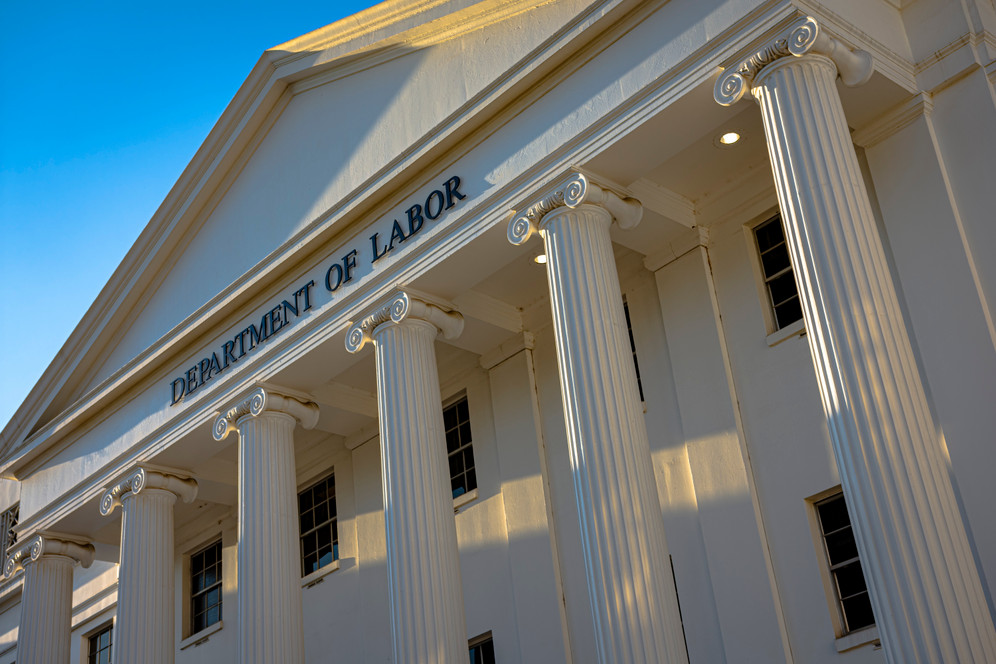
The U.S. Department of Labor (DOL) released its semiannual regulatory agenda (Sept 2025), outlining high-priority proposals that could reshape how employers manage labor & employment risk. Key areas under review include:
-
Joint employer status under the FLSA (proposed rule expected in December), to clarify when businesses share liability. Fisher Phillips
-
Independent contractor classification under the FLSA (DOL plans to rescind the 2024 rule) to potentially reinstate more flexible standards. Fisher Phillips
-
Overtime salary threshold revisions for white-collar exemptions.
-
Changes in FLSA exemptions for domestic service workers (live-in, companionship services) that had been limited.
-
Workplace safety proposals including the first national heat safety standard, emergency response standards, and updates to respiratory protection rules.
Why It Matters for You
-
Liability exposure: Broader joint-employer definitions and stricter oversight of classification can dramatically increase wage and hour risk.
-
Policy and classification ambiguity: Employers may need to revise contracts, pay systems, and classification policies to ensure they align with evolving standards.
-
Compliance and cost risk: New safety standards (heat, respirators, emergency response) often mean investment in training, PPE, facility upgrades, or procedural changes.
-
Uncertainty & timing: Because many proposals are still being drafted or are long-term, companies operating now must anticipate change and build flexibility in their policies.
How fpSOLUTIONS Can Help
Here are fpSOLUTIONS products aligned with these areas + how they can be leveraged:
-
Compliance Products: Provides audit-ready templates for classification, joint-employer agreements, job agreements, contractor docs, safety program checklists. Helps you update your classification and joint employer policies so they’re ready when rules change.
-
All Access Products Pass Without Handbook: Includes living policy templates and training materials which can be updated frequently. Use it for workforce training on new safety rules (heat safety, respirators), and for consistent messaging across locations.
-
State Law Tracker (if offered / State Compliance Tools): Many states have their own safety rules, contractor definitions, overtime thresholds. Use state-tracking or state specific packs to see where your state is ahead or behind.
-
Workplace Safety Products Toolkit: For safety proposals from OSHA/MSHA, you’ll benefit from tools that help you build or update emergency response plans, respiratory protection programs, and heat safety procedures.